
Pre-Construction Communication: Aligning Stakeholders Before the Work Begins
A successful construction project does not start when the first shovel is in the ground, or even when the first design is put on paper. It starts at project inception, when the first ideas, goals, and priorities begin to take shape. At that early stage, ownership, property management, and the project team need to align on what is being considered, why it matters, and how the project should be approached.
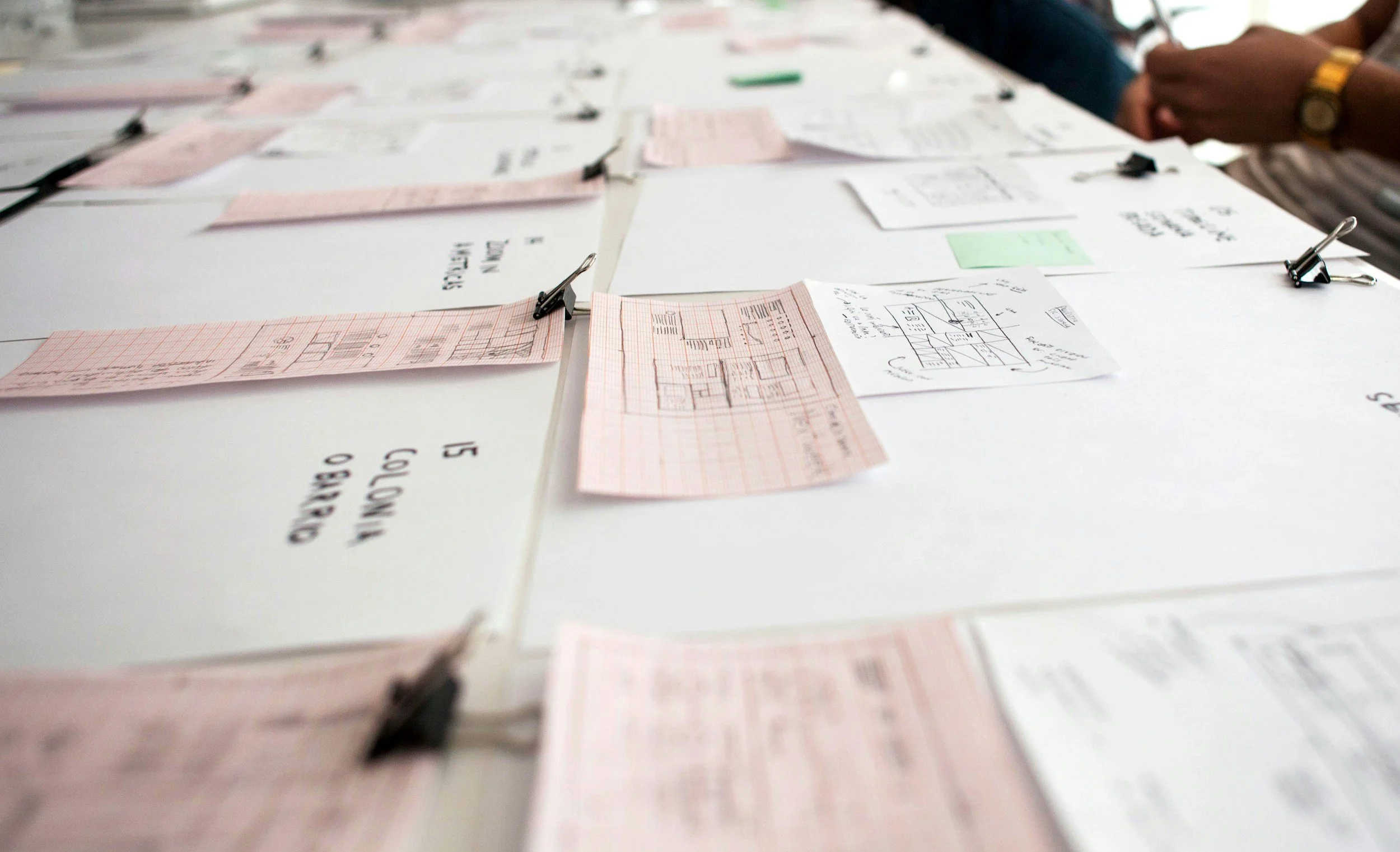
This alignment is never automatic. Early in the process, each stakeholder looks at the project through a different lens. Ownership may be focused on budget, schedule, long- term value, and risk. Property management may be focused on building operations, tenant impact, and day-to-day logistics. As the project becomes more refined, other stakeholders, including tenants, consultants, and contractors, may each bring their own concerns, requirements, and expectations into the process.
Thorough pre-construction communication helps bring those perspectives together before the project schedule becomes too controlling. It creates a shared understanding of the scope, constraints, responsibilities, and potential impacts of the work, which can then be factored into a holistic execution plan. When this is done early, the project team is better positioned to mitigate unknown costs, reduce avoidable impacts, and manage expectations in a way that supports the project’s overall goals.
There are several ways to improve alignment before construction starts. Project kickoff meetings can establish roles, responsibilities, approval procedures, communication protocols, and reporting expectations. Early budget and schedule reviews can help ownership understand potential cost drivers, phasing considerations, and timing constraints before pivots in direction become difficult to accommodate. Look-ahead schedules can help stakeholders conceptualize the sequence of work and anticipate potential impacts. Gaining this alignment early can streamline communication, minimize interruptions to productivity, and reduce disruptions to existing tenancies surrounding the project.
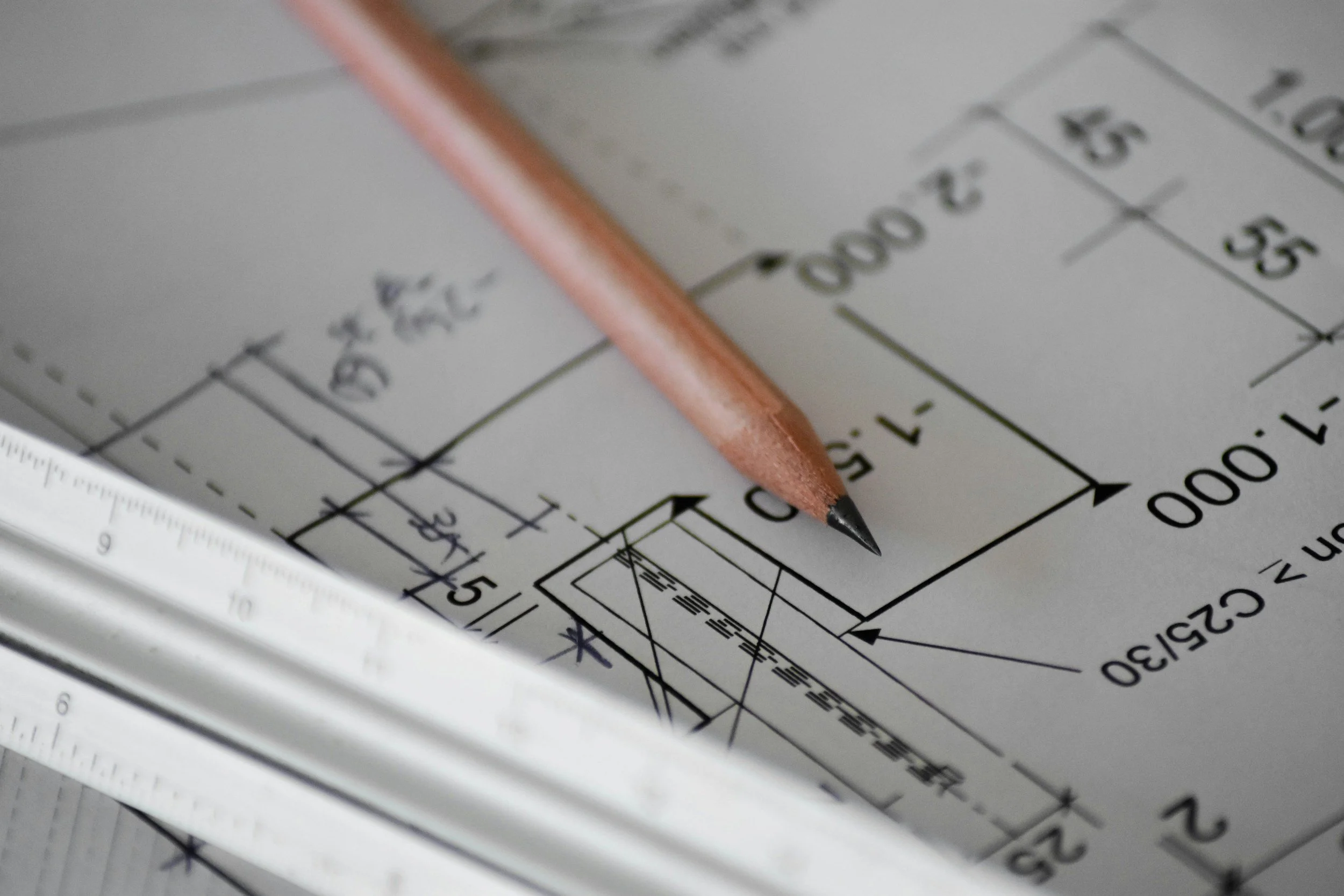
It is also important to consider how information is presented. Communication should support a complete understanding of the scope of work for all stakeholders, but meeting minutes, schedules, and written notices are not always the right medium for every audience. Visual communication can help bridge those gaps through photos, videos, renderings, floor plans, and existing condition documentation that explain the scope, logistics, and anticipated impacts of the work. When complex information is presented in a more accessible way, decisions can be made with greater confidence and fewer misunderstandings.
Construction is disruptive by nature, and pre-construction communication does not eliminate every challenge. However, when stakeholders are aligned early, decisions are easier, expectations are clearer, and the project team is better positioned to respond to unexpected conditions or issues.
In many cases, the success of the project depends not only on the work itself, but on how well that work is communicated before it begins.