
Think Before You Paint: Protecting Historic Masonry Starts With Letting It Breathe
You may think a fresh coat of paint can make a façade look BRAND NEW.
Uniform color. Clean lines. Immediate improvement. But that visual upgrade comes with a hidden tradeoff.
Because masonry was never meant to be sealed.
What Gets Covered Up Doesn’t Go Away
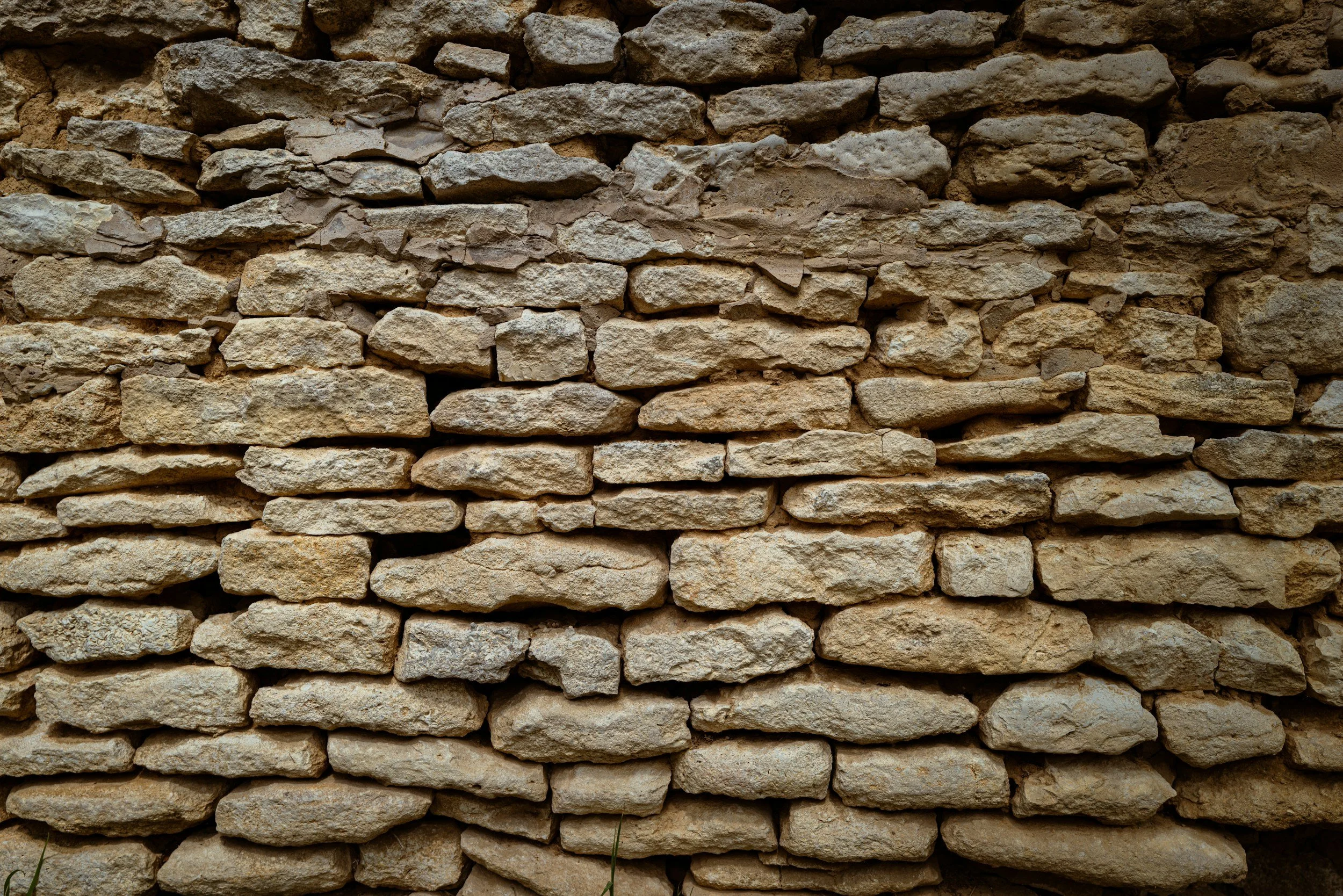
Brick, limestone, terra cotta, and cast stone are designed to handle moisture by letting it move through them—absorbing it during wet conditions and releasing it as they dry.
That cycle is what keeps these materials stable over time.
Painting with a non-breathable coating interrupts that process. Moisture still enters the system. It just has nowhere to go.
The Early Warning Signs Are Easy to Miss
At first, the façade looks exactly how it should—fresh and consistent.
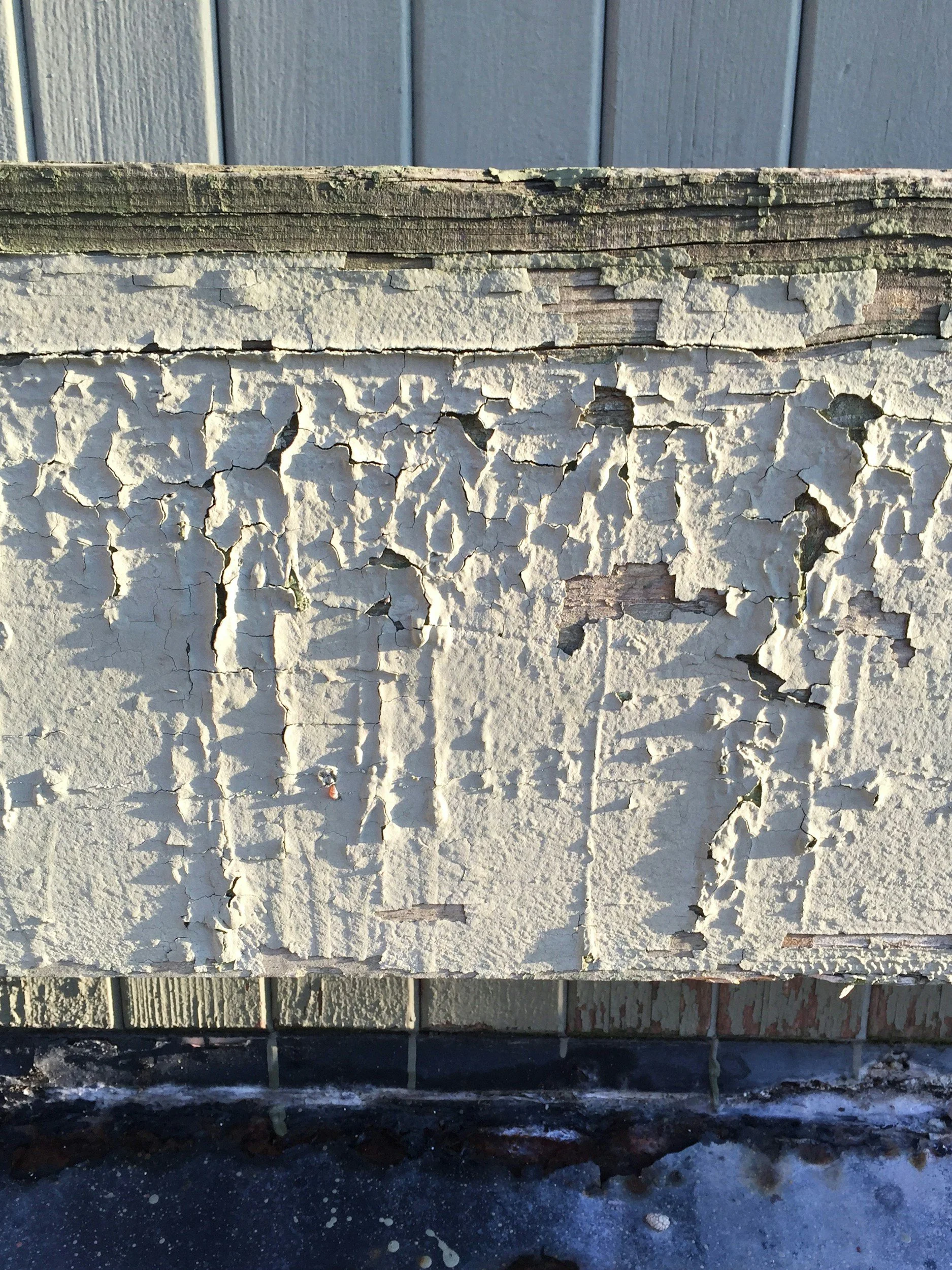
Then small changes begin to show:
Bubbling or peeling paint
Fine cracking along the surface
White, chalky staining
These aren’t surface-level issues. They’re indicators that moisture is building beneath the coating.
Efflorescence—the white residue often seen on masonry—is one of the clearest signals. It forms when water moves through the wall, carrying salts to the surface.
In other words, the building is actively holding and pushing out moisture.
Why This Turns Into a Bigger Problem
Once moisture is trapped, deterioration doesn’t stay isolated.
It begins to affect mortar joints, backup materials, and the masonry itself. In colder conditions, that trapped moisture expands, leading to cracking and spalling.
What started as a cosmetic upgrade can accelerate to long-term façade failure.
When Painting Is the Right Move—and When It’s Not
There are situations where coatings make sense.
But they require more than just product selection—they require understanding the condition of the building first.
Breathable, vapor-permeable systems can work when properly specified. But they won’t solve underlying issues like:
Active water infiltration
Deteriorated joints or detailing
Existing internal damage
If those conditions aren’t addressed, the problem continues—just beneath a new finish.
A More Reliable Approach
The difference comes down to sequence.
When painting is treated as a first step, it often creates problems. When coatings are treated as a final step, it can perform as intended. Understanding how moisture is behaving within the façade is what determines the outcome.
How We Can Help
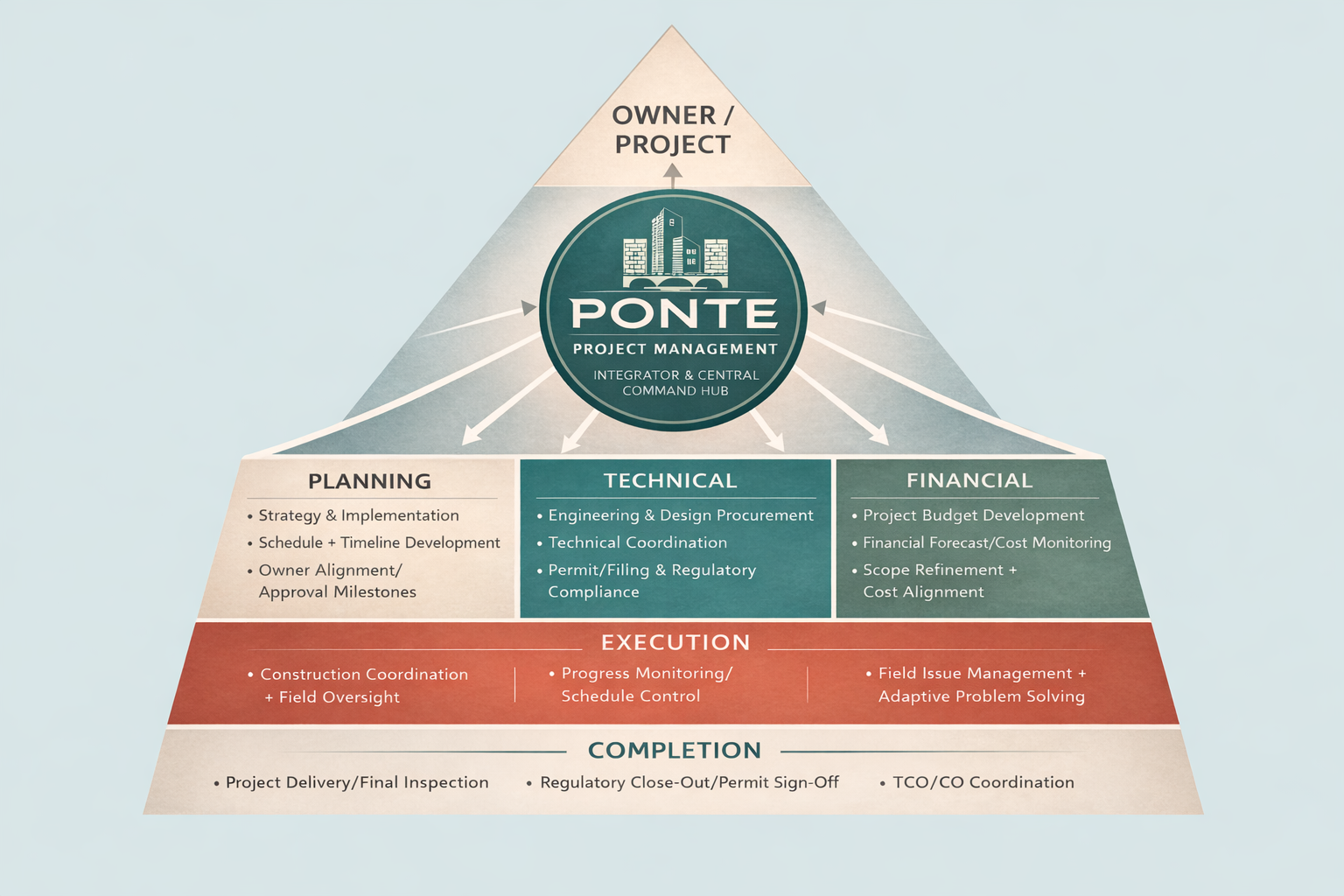
At Ponte Project Management, façade work is approached with long-term performance in mind.
We guide projects from initial assessment through construction and close-out—coordinating investigation, design, compliance, and execution so that decisions made early don’t create issues later.
What looks like routine maintenance can have lasting consequences if the building isn’t understood first.