
From Eyesores to Assets: A New Era for Sidewalk Sheds. The new shed designs introduce transparency, lighter materials, slimmer structural profiles and improved sightlines...
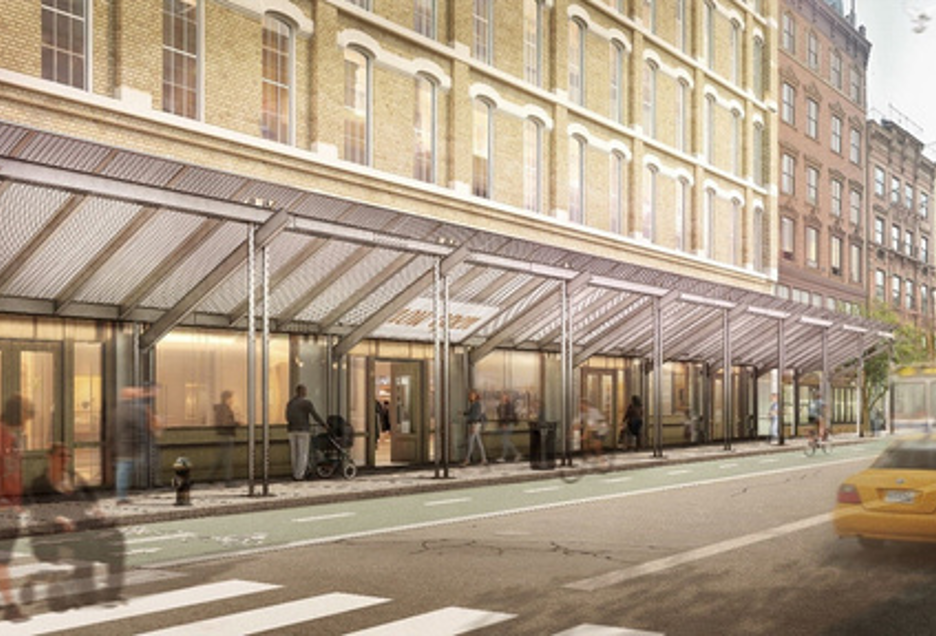
Design #3 - The Baseline Shed
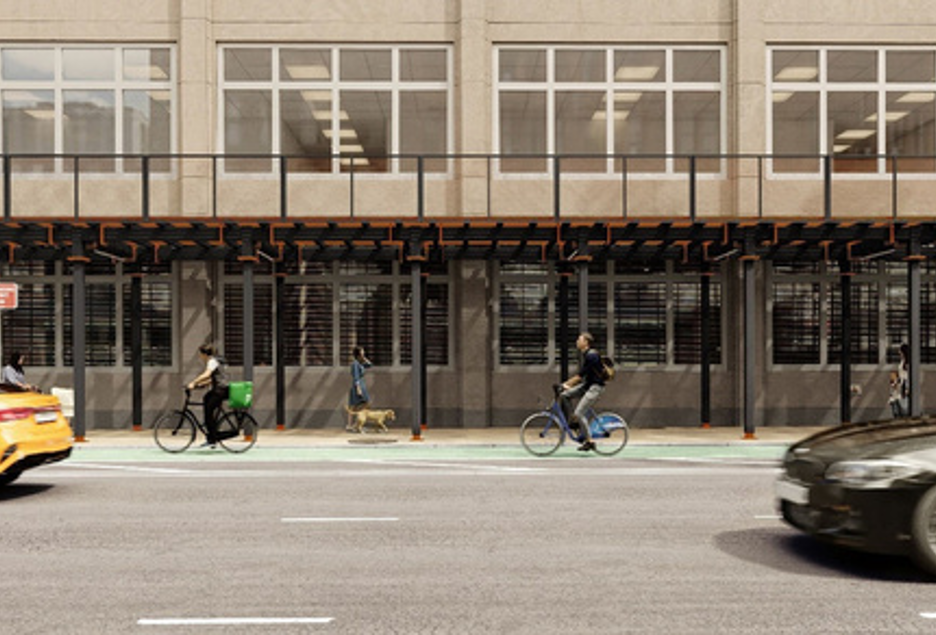
Design #2 - The Rigid Shed
New Sidewalk Shed Designs
What They Mean for Building Owners? Ponte Project Management welcomes the city’s renewed focus on modernizing sidewalk sheds and streamlining façade-safety requirements. The “Get Sheds Down” initiative reflects what we see daily across New York - too many sheds linger not because work is complex, but because owners lack clear guidance, coordinated management, or proactive oversight. The introduction of new shed designs—and evidence-based reforms to FISP—signals a smarter path forward, one that prioritizes safety and restores light, access, and vibrancy to our streets. This is an important shift for the city, and an even more important moment for owners to understand their obligations and opportunities. As owner’s representatives deeply involved in façade restoration and Local Law 11 compliance, Ponte is here to help clients navigate these upcoming rule changes, accelerate repair timelines, and avoid costly enforcement measures in 2026.
PPM Perspective...
The city’s new shed designs finally acknowledge what property owners, pedestrians, and project teams have known for years: protection doesn’t have to come at the expense of place. By incorporating transparent panels, lighter materials, and slimmer structural profiles, these systems restore sightlines and daylight while maintaining safety at the sidewalk level. For our clients, this shift means fewer dark, enclosed corridors and a streetscape that remains active and inviting throughout construction. Ponte sees this as a meaningful improvement in how temporary protection supports—not suppresses—the urban experience.
Where the Standard Shed Still Makes Sense
While the city’s push toward lighter, more elegant shed systems is a welcome evolution, the traditional pipe-and-plywood bridge still has a place in New York’s construction landscape. Many small to mid-size buildings—especially older walk-ups or properties with limited budgets—rely on the standard shed because it remains the most cost-effective, readily available, and universally understood option. Historic structures with irregular façades or unique conditions may also require the flexibility and field-adaptability that legacy sheds offer. From Ponte’s vantage point, modernization and practicality can coexist: the new designs will elevate major corridors and larger capital projects, while the classic shed will remain a reliable tool for owners who need straightforward protection during repairs. The key is aligning the shed type with the building’s risk profile, budget, and duration, ensuring safety without unnecessary complexity.
The Cost - New Designs vs. Standard Sheds vs. Urban Umbrella
New DOB Designs (Estimated)
$175–$275 / LF initial market pricing
Why?
Prefabrication reduces labor
Materials may be higher-grade than pipe/plywood
Limited vendors early on may drive cost margins
Potential long-term savings via reduced change-outs and easier maintenance
Standard Shed
$120–$150 / LF installed - Used for most LL11 cycles. Bare-bones, utilitarian, highest availability.
Urban Umbrella
$275–$400+ / LF installed Variables include lighting, finishes, and field conditions. Architectural, premium, brand-sensitive. Higher ongoing rental cost.
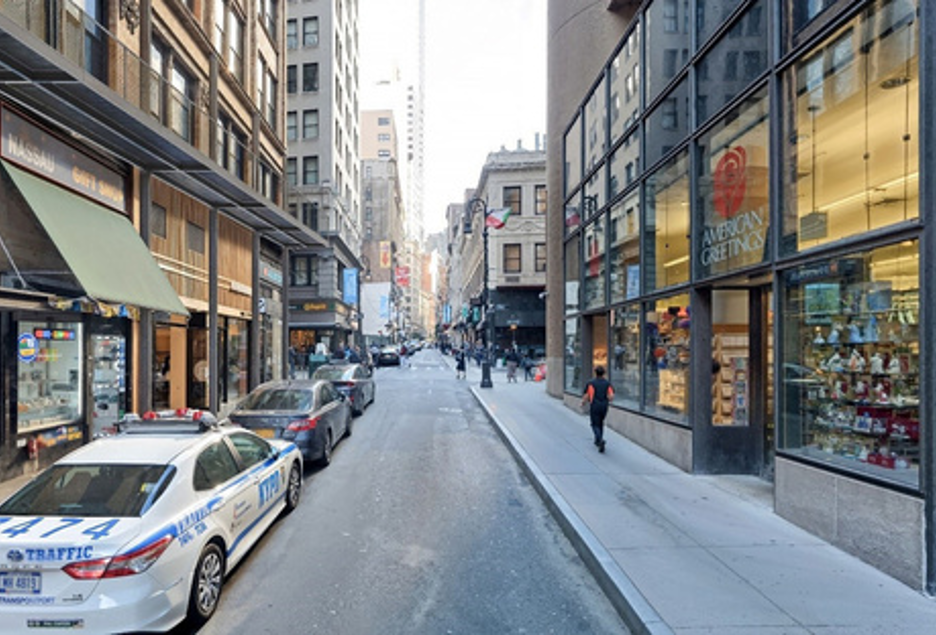
Design #4 - The Air Shed
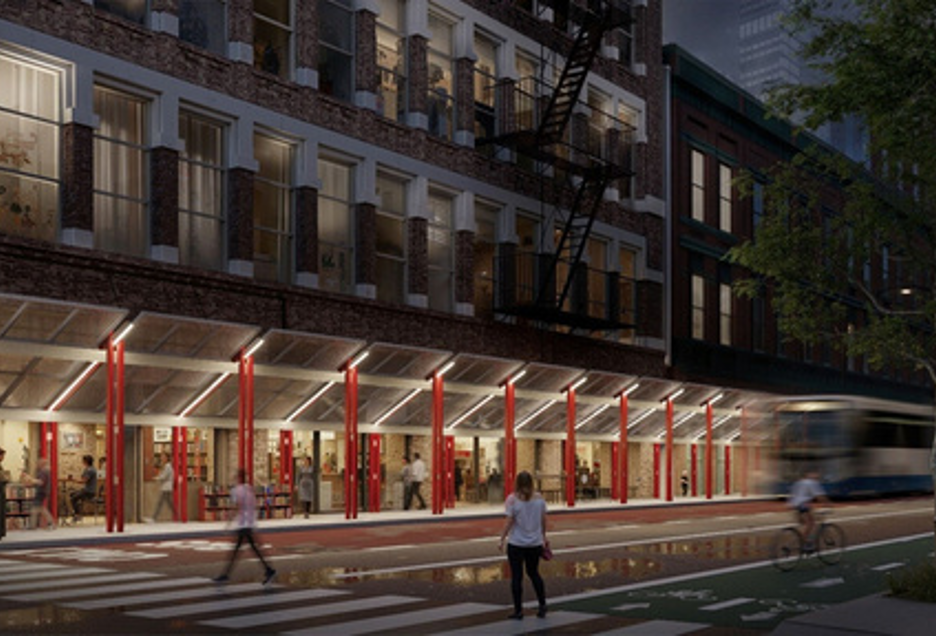
Design #1 - The Speed Shed
Structural & Operational Feasibility
In the city’s grand effort to declutter sidewalks and reinvent the humble shed, there’s a quieter subplot humming underneath: structural and operational feasibility. New York can dream up beautiful designs, but they still have to survive wind loads, quirky façades, aging buildings, and the logistical circus of construction in a dense city. That reality shapes what is truly possible right now.
Structural feasibility first. The new shed designs—especially the “Air Shed” and the slimmer-profile variants—depend on reliable anchorage into the façade. Many older buildings simply don’t offer that. Century-old masonry, patchworked repairs, undocumented steel, and inconsistent substrates often resist the clean anchoring patterns these new systems assume. Crews also confront tight sidewalks, cellar vaults, and historic elements that complicate where loads can safely land. A sleek cantilevered shed works beautifully on a modern curtain wall but becomes a structural riddle on a 19th-century brick walk-up.
Operational feasibility adds a second layer. The promise of faster deployment and modular components sounds ideal—until a project runs into utility vaults, bus shelters, sidewalk cafés, landmark restrictions, or the famous “this sidewalk is only six feet wide” problem. The city itself acknowledged this nuance: the new designs aim to reduce unnecessary sheds, but they don’t eliminate the conditions that make a traditional bridge the only workable option for many projects. Even DOB’s own engineering study pointed out that risk classification, inspection intervals, and hands-on requirements must be modernized before sheds can truly shrink in number.
In short, the new systems are a meaningful evolution, but they’re not a magic wand. They will shine on newer buildings, major corridors, and large capital projects with well-documented structures. Meanwhile, a huge portion of New York’s building stock—older façades, lower-risk properties, and tightly constrained sites—will still require bespoke solutions or the rugged simplicity of the standard bridge. The city is moving in the right direction, but physics, budgets, and 100-year-old brick tend to have the final say.
Vendor Insights
Vendors typically report:
Prefabricated modular sheds can cut install time by 20–40%
Material cost is higher up front, but maintenance is lower (no repainting, less warping, fewer panel replacements)
Standard sheds still win on availability and speed for emergency jobs
Architectural or mid-tier sheds can increase sidewalk clearance, which is important under new DOB enforcement rules
Retail corridors and Class A assets are most likely to adopt early
What this means for Building Owners
For building owners, the city’s shift signals a new era of accountability and clarity around sidewalk sheds and façade maintenance. With redesigned shed systems coming online and updated regulations in development, owners will face more structured expectations around timely repairs and permit renewals—especially as the city continues to refine FISP based on the recent engineering study.
While the full scope of future enforcement is still being shaped, it’s clear that unnecessary or long-standing sheds will receive increased scrutiny, and owners who plan proactively will be best positioned to minimize costs, reduce exposure, and keep their properties visible and inviting.
This is an ideal moment to get organized, understand how upcoming changes may apply to your building, and align your repair strategies accordingly. Ponte stands ready to guide owners through this evolving landscape with thoughtful planning and steady expertise.
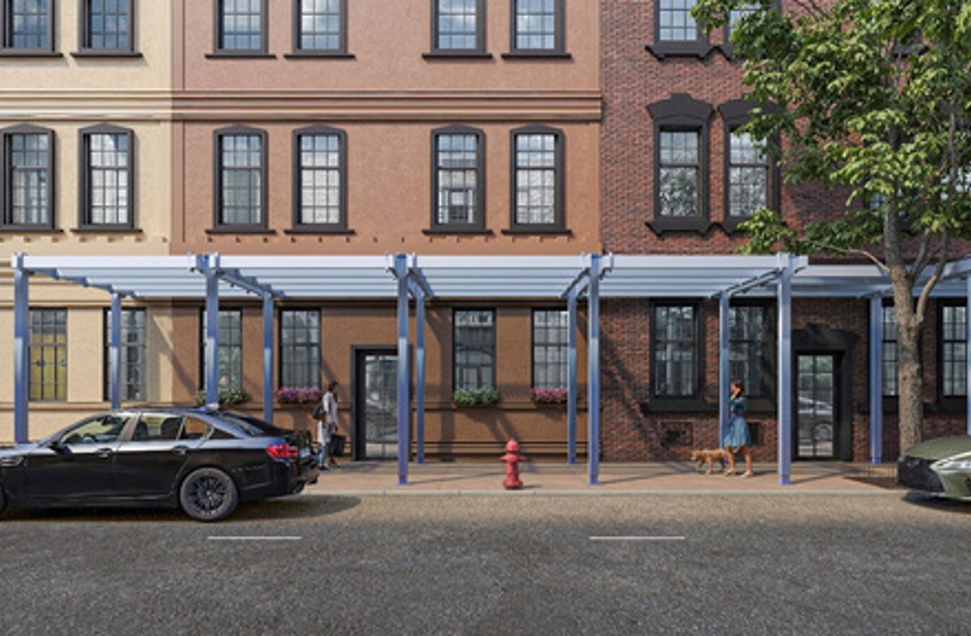
Design #6 - The Flex Shed
Shed Designs
Design #1 - The Speed Shed (Designed by PAU)
A light duty shed that it is quick to deploy and quick to move. Good for short-term projects and emergency repairs. The design features an angled roof with netting, allowing natural light on to the sidewalk.
Design #2 - The Rigid Shed
A heavy duty shed for major projects, like tower crane operations and high-rise construction. The design features a small footprint on the sidewalk and minimal obstruction for pedestrians.
Design #3 - The Baseline Shed
A versatile shed that comes in both heavy and light duty variants, adaptable to building and sidewalk dimensions on a wide variety of projects. The design features an angled transparent roof, allowing light to shine on the sidewalk.
Design #4 - The Air Shed
A light duty shed that is completely lifted off the ground and anchored into the building for façade repair and window replacement projects. The cantilevered design is reminiscent of a balcony, with virtually no impact on pedestrians below.
Design #5 - The Wide Baseline Shed
A heavy duty shed for major projects perfectly suited for wide sidewalks on major thoroughfares. The design features heavy duty columns spaced far apart to minimize obstructions on the sidewalk.
Design #6 - The Flex Shed
A light duty shed good for maintenance work and emergency repairs. With easily adjusted roof heights and column placement, the design features a small footprint on the sidewalk that can be modified to work around unique building elements, as well as sidewalk obstructions like street signs and bus stop shelters.
NYC Office of the Mayor (Nov 18, 2025)